
Rocklin Directory Collections
Rocklin research begins with a mix of county-wide volumes, library databases, newspaper indexes, and archival rolls rather than a confirmed run of standalone Rocklin books. The strongest verified directory item is the digitized Directory of the County of Placer, California from 1861. A county volume can place a person in a locality without behaving like a modern telephone book, so its title page and place labels matter. Exact Rocklin publication years, a complete local publisher list, and a Rocklin-specific abbreviation key were not verified.
| Collection | Years | Where Held | Access |
|---|---|---|---|
| Directory of the County of Placer, California | 1861 | Placer County Historical Society link | Digitized, free online |
| California directory and telephone-book holdings | Title-specific; exact Rocklin run not verified | California History Room | Catalog, reference help, onsite use |
| Ancestry Library Edition directory holdings | Database coverage varies by title | Rocklin Library | Inside the library |
| Placer Archive assessment rolls, maps, and deed books | 1851-1961; deed books 1851-1960 | Archive & Research Center | Appointment research |
| Placer Herald indexes and digitized issues | 1852-1887 index; 1852-2004 newspaper run | Genealogy indexes and California Digital Newspaper Collection | Online search and browse |
These collections answer different questions. A directory suggests where a person or business stood at one point in time. An assessment roll follows taxable property, while a newspaper or probate notice can name a relationship. Treat gaps as evidence about the source, not proof that a Rocklin resident was absent.
Rocklin's Verified 1861 Directory
The 1861 Placer County volume is an early anchor for Rocklin names because it predates the county's Clerk-Recorder birth and death coverage, which begins in 1873. It belongs to a Gold Rush era county record setting, so a search may use a county, town, post-office, or occupation label instead of a modern street address. The volume should be read as a dated publication. It does not establish that every person listed lived inside today's city limits, and it cannot supply a complete modern resident roll.
The Placer County Historical Society links page is the verified starting point for the digitized item. Begin with its title page, contents, place headings, and any publisher notes. Capture the page image and the words as printed. If a surname appears under a nearby locality, keep that label in the research notes before testing whether a later map or newspaper connects it to Rocklin.
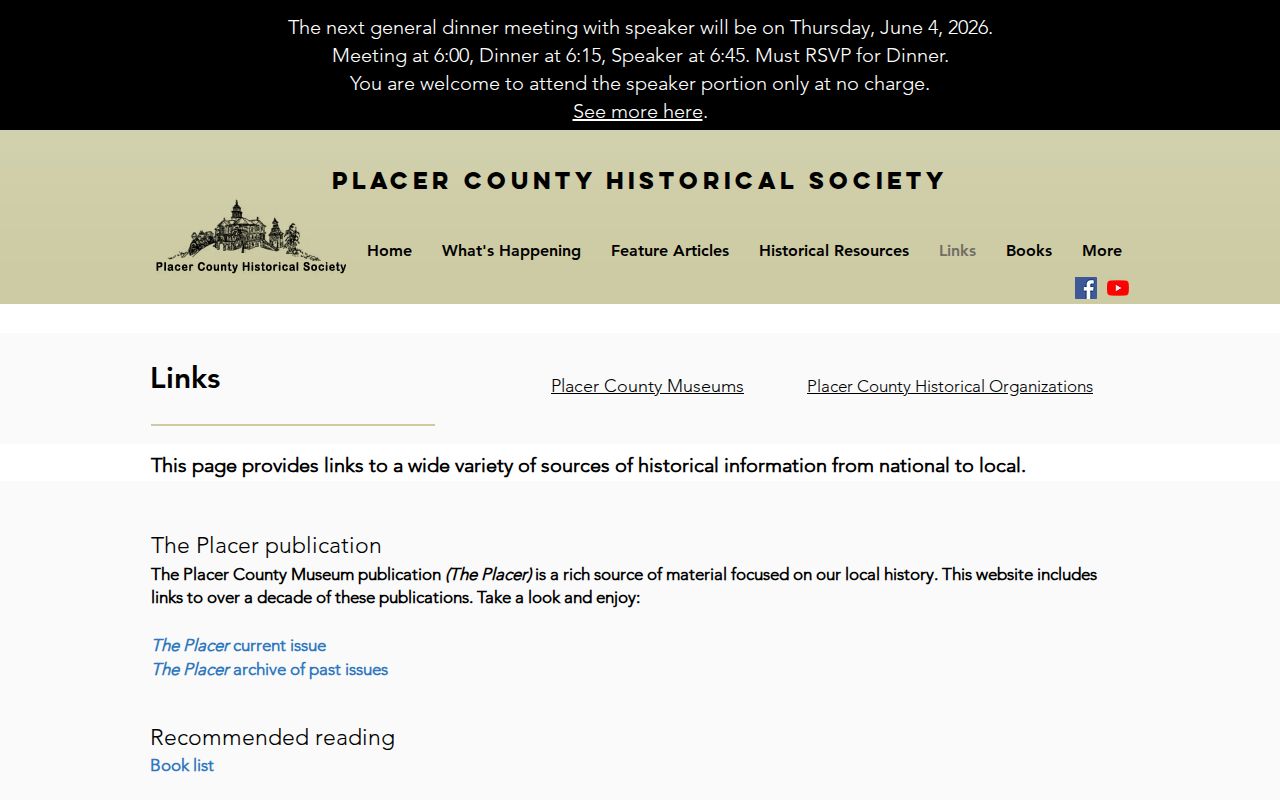
The image is a source lead, not a substitute for inspecting the scanned page. A county heading, spelling choice, or place abbreviation can change which later directory and newspaper searches are productive.
Rocklin Directory Shelf at California History Room
The California State Library's California History Room is the broad fallback when a Rocklin directory is not visible in a local catalog. Its collection includes California directories and telephone books, newspapers and indexes, maps, county histories, manuscripts, and genealogy files. That mix matters because a thin run can often be paired with a map, a county history, or a newspaper index that explains a locality name.
Ask the reference staff to check Rocklin, Placer County, Auburn, Roseville, and regional titles. Search by place and by publisher, then ask whether a volume is on the open shelf, in a reading-room collection, on microfilm, or available through a catalog record that needs a reference request. Do not turn a catalog absence into a claim that no directory exists. The research result should preserve the title, date, geographic scope, and access mode for each volume found.
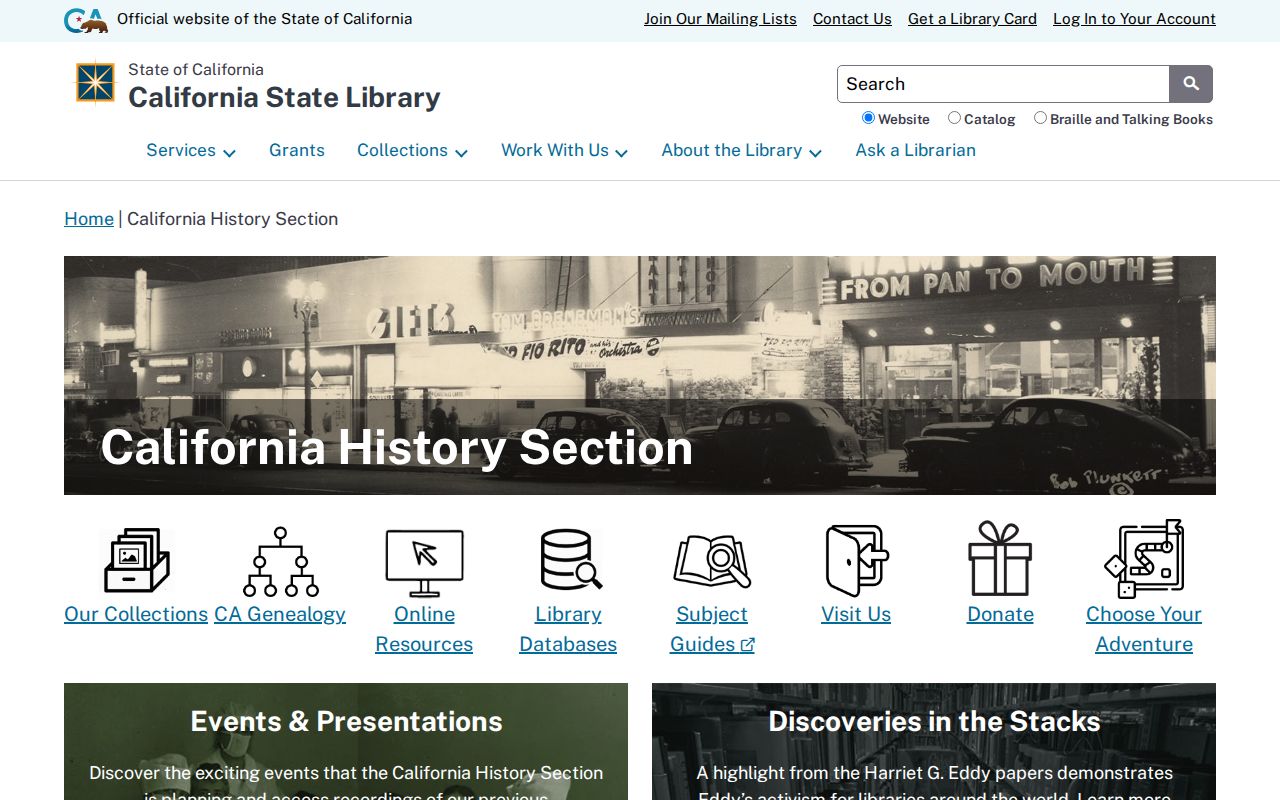
That collection view is useful even when the precise Rocklin run remains unconfirmed. It points the search toward neighboring localities and related county material rather than a single assumed title.
Rocklin Directory Access at the Library
Rocklin Library is a Placer County Library branch with a practical digital bridge to directory work. Its eLibrary lists Ancestry Library Edition, available only inside the library. The licensed material includes directories, census records, vital notices, passenger lists, naturalization material, and military records. A library card provides remote access to many other databases listed by the system, but licensing varies, so Ancestry Library Edition should not be presented as an at-home service.
Use the library database after the paper and county searches have supplied a likely surname, locality, or decade. Search a name in more than one spelling, inspect the page image when the database offers one, and note whether the result is a directory, a phone book, a census transcription, or another record type. A directory hit can suggest a street or household; a census hit can test household composition; neither one by itself resolves every identity question.
The Rocklin Library facility listing supplies the local branch details, while the Placer County eLibrary identifies the database access rule.
Reading a Rocklin Directory Entry
A careful Rocklin directory reading keeps verified fields separate from familiar patterns borrowed from later commercial volumes. No official sample entry from a Rocklin-specific volume and no exact abbreviation key were verified. The 1861 county directory is the confirmed sample collection, but its scanned page should be inspected before quoting a person's line. The inventory below shows what to look for without pretending that every field appears in that volume.
| Surname and given name | Record the alphabetized surname and given name or initial exactly as printed, including spelling variations. |
|---|---|
| Locality or post office | Keep the printed county, town, or post-office label; do not silently replace it with a modern Rocklin address. |
| Trade or occupation | Check whether the entry supplies a trade, business, or occupation, then preserve the wording as a search clue. |
| Residence or property note | Note any residence, ranch, road, or property description that appears; its presence varies by volume. |
| Spouse, occupancy, and abbreviations | No Rocklin-specific sample or key was verified, so these marks must not be assumed or quoted from a generic directory pattern. |
- Criss-cross directory
- A street-order or address-order directory used to move from a place to a name. Its presence in a Rocklin run was not verified.
- Householder index
- An index organized around household heads or primary names. Confirm the publisher's definition before treating it as a full household list.
- Abbreviation key
- The volume's own legend for short forms and symbols. Photograph or transcribe it before interpreting a difficult line.
A name in a directory is a dated clue. Compare its locality, trade, address wording, and nearby names with another year or another record before drawing a family conclusion.
Rocklin Directory Clues From Railroads and Granite
Rocklin's history supplies search terms that are more useful than a bare surname. The community developed around Central Pacific railroad activity and granite quarrying, and it was recognized as a railroad and granite center in 1864. Rocklin incorporated in 1893. By 1910, local history records 22 quarries, and nearly 2,000 railcars of granite reportedly shipped in 1912. Those details help explain why a directory line may be tied to a quarry, rail, freight, stone, or related trade rather than a present-day neighborhood label.
The city's historic-sites material also identifies early Finnish community gathering places and the Union Granite quarry near today's Rocklin Library. Search a surname with railroad, granite, quarry, Finnish, or community-event terms in a directory and in newspapers. The terms are clues for disambiguation, not proof of ancestry. A person who appears in a quarry notice may share a name with another resident, so the date, locality, and related names still need a second source.
Rocklin's historic-sites record supplies local place and occupation clues for a directory search.
Pair Rocklin Directories With Census Pages
Federal census pages are public for 1850 through 1950, with the 1890 population schedules largely destroyed. That missing decade is why a Rocklin directory search benefits from newspaper, deed, tax, cemetery, and probate checks. Use a directory as a point between census decades, not as a replacement for a census household. Compare the listed locality and age clues, then test whether the same surname appears in the same place in a later year.
Placer County Genealogical Society indexes 12,206 Placer Herald records from 1852-1887 and birth, marriage, and death abstracts from 1852-1885. The California Digital Newspaper Collection carries the Placer Herald line from September 11, 1852 through December 29, 2004, with 7,827 issues and 89,317 pages. Obituaries, probate notices, society columns, ads, quarry stories, and road names can bridge the missing 1890 schedule or explain why a person disappears from a directory.
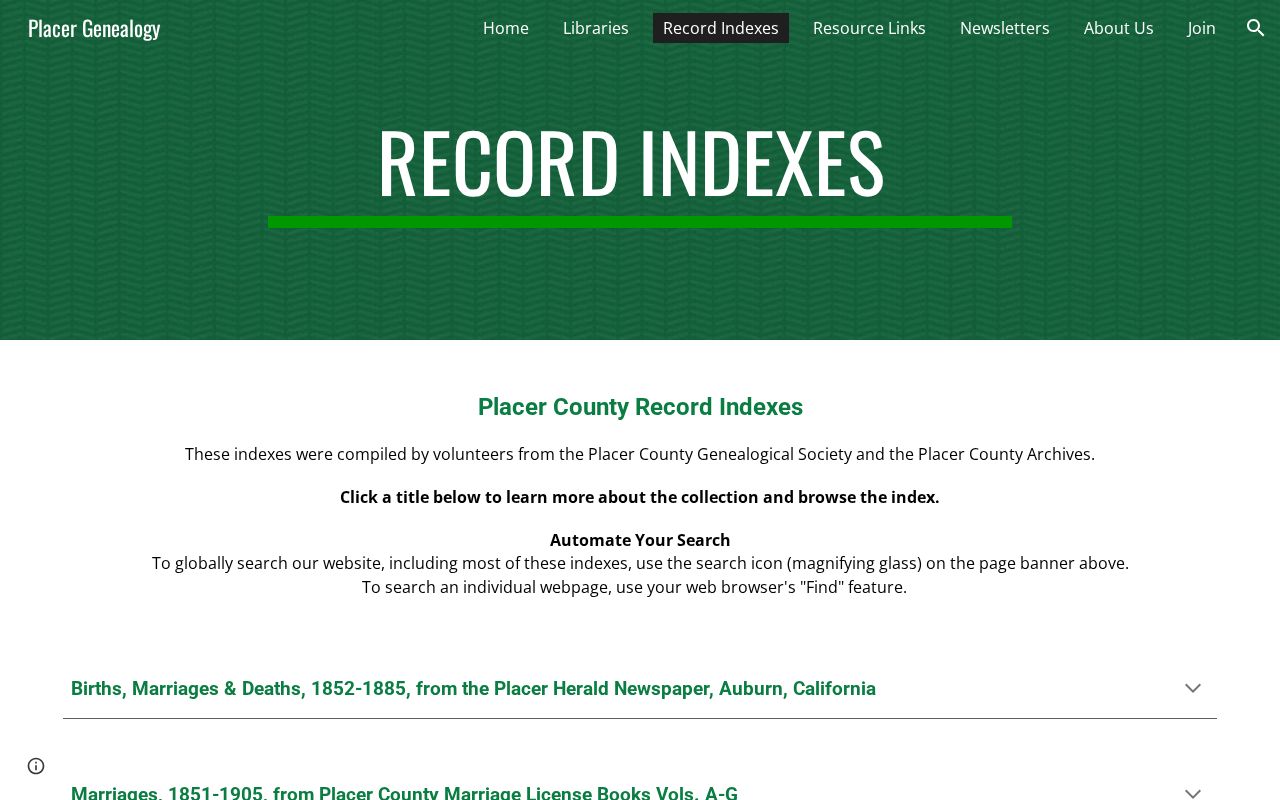
The index image belongs beside the search trail: use it to find a likely issue or abstract, then inspect the original page or official record before treating an OCR hit as proof.
Rocklin Directory Clues in Placer Archives
The Placer Archive & Research Center adds county evidence when a directory is missing or too thin. It is at 11526 C Avenue in Auburn and is appointment-only on Monday and Tuesday, 9 a.m. to noon and 1 to 3 p.m. Research requests use archives@placer.ca.gov or 530-889-7789. Plan a focused question, bring the exact name and locality forms, and ask which series can connect a directory clue to a parcel, estate, or county office record.
Its verified holdings include assessment rolls and maps from 1851-1961, Board minutes from 1852-1980, court files from 1851-1925, deed books from 1851-1960, mining records from 1856-1947, naturalization papers from 1852 through about 1960, probate from 1851-1960, and wills from 1874-1963. These are not substitute directories. They are dated checks that can identify a property, relationship, civic role, or estate when a directory entry does not answer the question.
The Archive & Research Center listing gives the appointment details and the series boundaries. The broader Placer Archives and records page is a second access route for county research.
Rocklin Directory Locality Strategy
A Rocklin directory search can fail when the researcher treats today's incorporated city as the only historical label. Auburn was the Placer County seat, while Roseville and nearby railroad communities supplied regional directory and newspaper references. Older entries may use a county, ranch, post office, railroad camp, or rural route. Search Rocklin, Auburn, Roseville, and Placer County together, then record the exact label that appears beside the name.
Maps and legal descriptions help test a locality change. The county map pathway includes current and historic assessor maps, but a map is not a household list. A later address may sit on land once described by a ranch or subdivision name. Compare road, parcel, and subdivision language across years, and do not turn a rural-route reference into a modern street address without a source that makes the connection.
When the directory shelf is silent, the Rocklin History Museum can add photographs, artifacts, and local context. The museum is in the Fletcher-Moon House at 3895 Rocklin Road, with published Friday-Sunday hours from 1 to 4 p.m.; contact the organization before relying on a surname or address lead.
Rocklin Directory Timeline
A timeline keeps a directory clue in the right record era. It also shows why a single source cannot carry a Rocklin family history from the railroad period to the present. The dates below are verified county, directory, census, or local-history anchors. No first or last standalone Rocklin directory year was verified.
| 1851 | Placer County formed, with Auburn as county seat; archive and map research begins in the county era. |
|---|---|
| 1852 | County marriage coverage begins, and the Placer Herald record line starts. |
| 1861 | The digitized Directory of the County of Placer, California provides an early county directory anchor. |
| 1867-1898 | FamilySearch catalogs California Great Registers, useful for testing a name and year when permitted by the collection. |
| 1873 | Placer County birth and death coverage held by the Clerk-Recorder begins. |
| 1893 | Rocklin incorporated, a useful civic boundary marker for later searches. |
| 1950 | The last currently public federal census snapshot in the 1850-1950 range closes a major household series. |
| 2004 | The indexed Placer Herald run reaches December 29, 2004. |
Using Rocklin Directories for Family History
Family history work is strongest when each Rocklin directory entry becomes one dated row in a small research ledger. Record the name exactly, keep the printed locality, and mark whether the source is a scan, an index, or a later transcription. Then pair the directory with a public census decade, a newspaper page, a cemetery entry, or an archive series. A person who vanishes may have moved, died, changed a name, gone unlisted, or fallen outside the volume's geography.
- Start with the 1861 county directory or the closest verified regional title, and write down the complete page and place label.
- Search later directory years and neighboring localities for spelling variants, initials, and railroad, quarry, or Finnish-community clues.
- Use the 1850-1950 census at decade anchors, remembering that the 1890 population schedules were largely destroyed.
- Test an address or parcel against assessor maps, deed books, permits, newspapers, and probate rather than assuming a directory line proves ownership.
- Close a death or heir trail with the Newcastle-Rocklin-Gold Hill Cemetery District, obituary evidence, and the appropriate county record.
The Newcastle-Rocklin-Gold Hill Cemetery District burial search is useful for a deceased resident, while the historical museum can help with photographs and place context. The central habit is comparison: a directory gives a snapshot, and the surrounding sources show whether the snapshot belongs to the same Rocklin household.